
RV & Marine Batteries
RV batteries are the heart and soul of your off-grid or boondocking experience. We carry Group 24 and Group 27 deep-cycle lead batteries, plus lithium drop-in replacements that last 3–5× longer and weigh a third as much.
Common RV Battery Sizes
Most RVs take either a Group 24 or Group 27. Both are high-calcium maintenance-free — no water topping, no corrosion on the terminals.
Group 24RV
Lead Acid — Deep Cycle
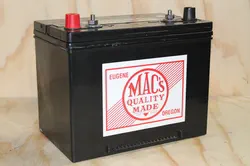
Group 27RV
Lead Acid — Deep Cycle
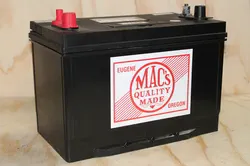
Group 24RV — Lithium
LiFePO4 Drop-In Replacement
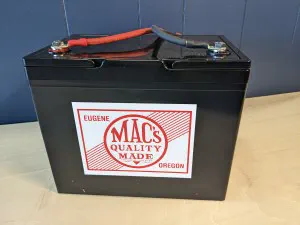
Group 27RV — Lithium
LiFePO4 Drop-In Replacement
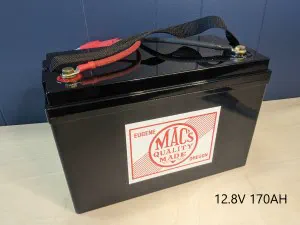
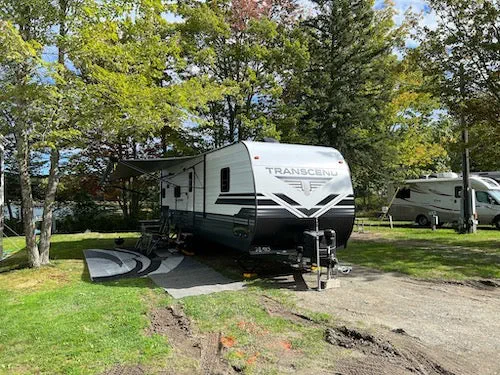
Lithium Conversion for RVs & Trailers
Lithium batteries last 3–5× longer than lead and are far more energy dense — a third of the weight with more usable capacity. The conversion process typically involves moving DC cables indoors (under a bed, in a cabinet, or under a seat), which protects the system from bugs, dirt, salt, moisture, and corrosion.
Almost all non-lithium RVs and trailers need a couple of additional parts for a safe lithium conversion:
Common RV Electrical Setup & Inverter Options
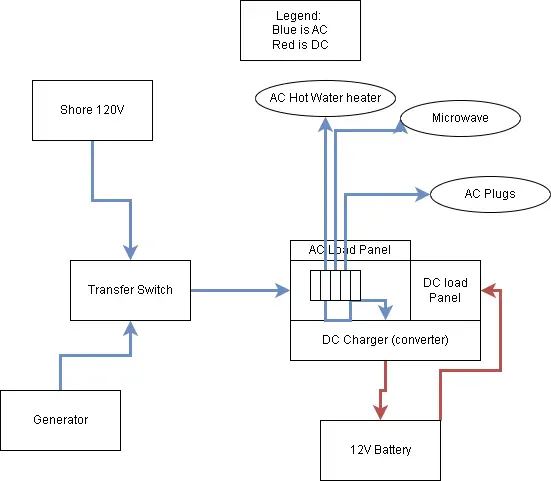
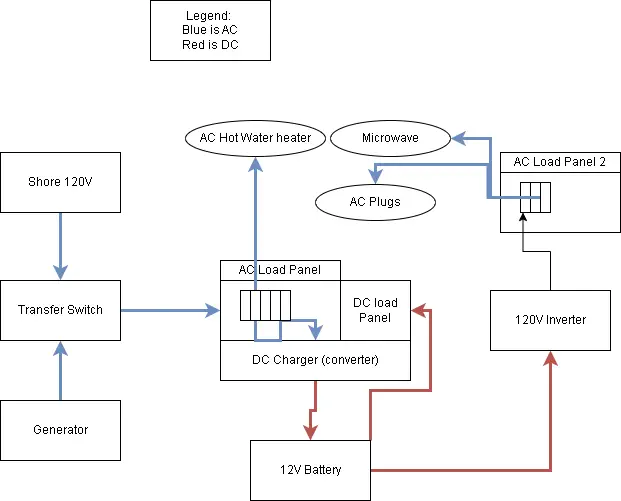
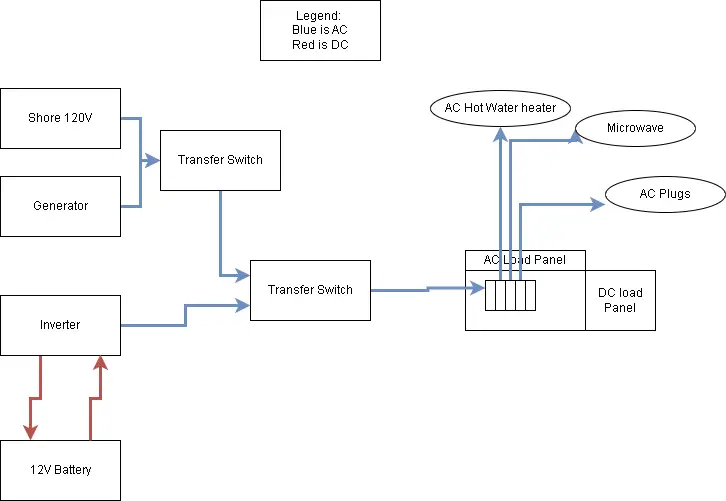
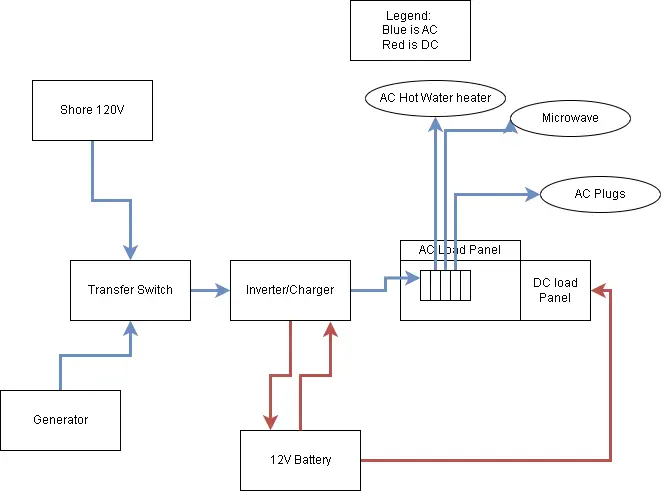
DC/DC Amp-Limiting Converter
Limits the current flowing from your vehicle's alternator to the lithium battery. Lithium is a low-resistance battery and will take all the current it can — without a limiter, this can over-amp the wiring and cause alternator failure or fire.
Relay or Isolator
Prevents energy from flowing back from the starting battery to the lithium when the vehicle is off. This protects against over-draining your starter battery, which could leave you stranded.
Questions About Your RV Setup?
Stop in or give us a call — we can walk you through your options and get you the right battery for your rig.